
Choosing the right Concrete Mix is one of the most important decisions you will make on any construction or home improvement project. The mix you use affects strength, durability, finish, and long-term performance. Using the wrong mix can lead to cracking, poor load-bearing capacity, and costly repairs later on. This guide explains the different types […]
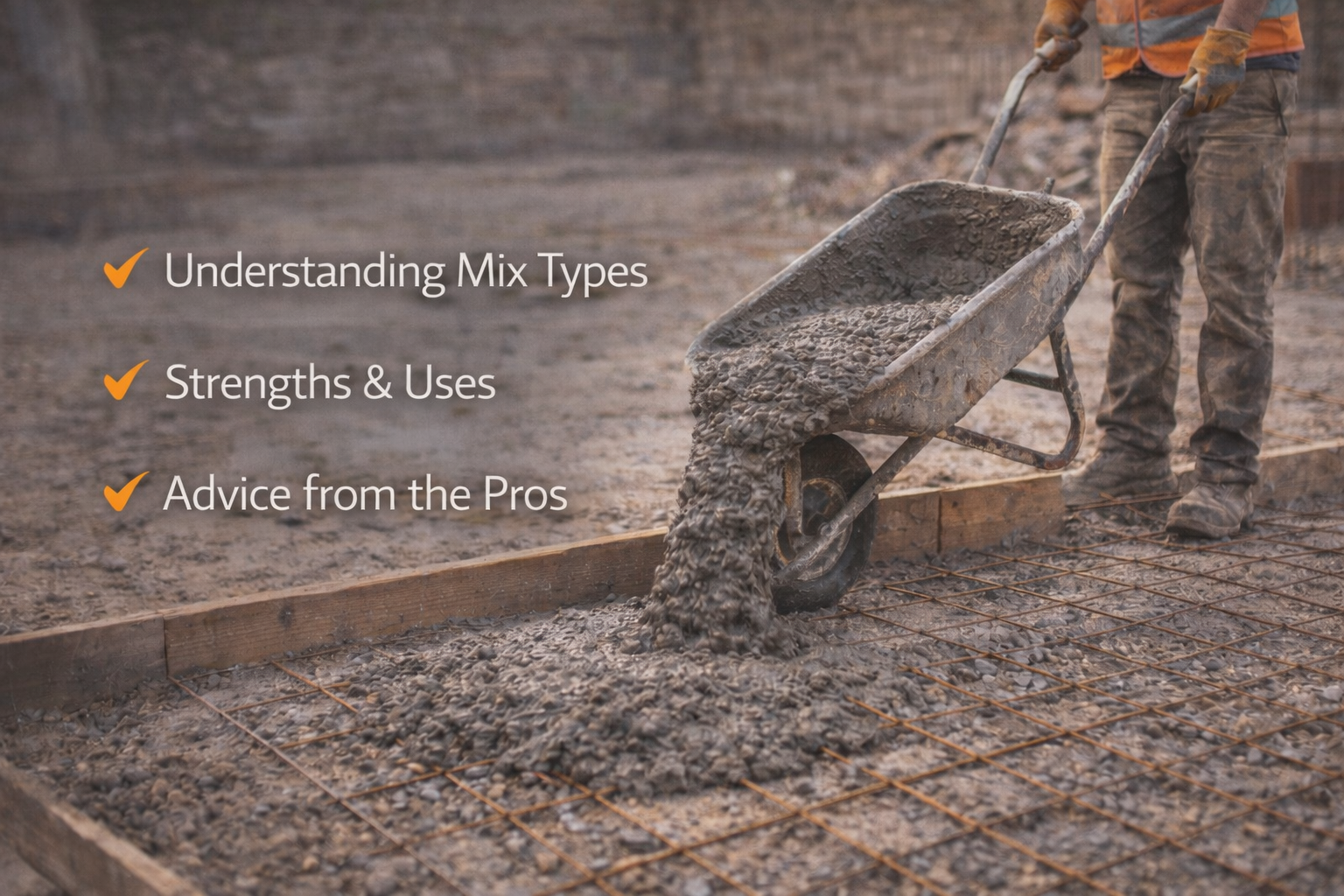
Choosing the right Concrete Mix is one of the most important decisions you will make on any construction or home improvement project. The mix you use affects strength, durability, finish, and long-term performance. Using the wrong mix can lead to cracking, poor load-bearing capacity, and costly repairs later on.
This guide explains the different types of concrete mix, how to choose the right one for your project, and how experienced professionals like Quick Concrete Pumping help ensure concrete is mixed, delivered, and placed correctly.
Concrete might look simple once it sets, but it is a carefully balanced material. Cement, aggregates, water, and sometimes additives all work together to create strength and durability.
A concrete mix designed for a garden path will not perform well in a structural foundation. In the same way, a high-strength mix may be unnecessary and more expensive for small domestic jobs. Matching the concrete mix to the job helps you get the best result without wasting money.
A concrete mix is defined by the ratio of cement to aggregates and the amount of water used. These ratios determine how strong, workable, and durable the final concrete will be.
Some mixes are designed to flow easily, while others focus on maximum strength. Certain mixes are also tailored for faster setting times or improved resistance to weather and wear.
Knowing what each mix is designed for makes choosing the right one much easier.
This is one of the most widely used concrete mixes. It is suitable for paths, patios, shed bases, and non-structural work. It offers a good balance of strength and workability and is often used for everyday domestic projects.
Foundation work requires a stronger concrete mix that can handle structural loads. These mixes contain a higher cement content and are designed to support buildings, walls, and extensions safely over time.
High-strength concrete mix is used for commercial builds, industrial floors, and heavy-duty applications. It provides excellent load-bearing capacity and long-term durability, but it is not always necessary for smaller projects.
Screed is used to create smooth, level surfaces, often before flooring is installed. It has a different composition from standard concrete and is designed for finish rather than structural strength.
Quick Concrete Pumping regularly works with screed mixes, helping ensure even placement and consistent thickness across floors.
Always start with the purpose of the concrete. Structural work, decorative finishes, and load-bearing areas all require different mixes.
Areas that will carry vehicles or heavy equipment need stronger concrete mixes than walkways or garden features.
Ground conditions, drainage, and exposure to weather can influence which concrete mix performs best. Experienced suppliers take these factors into account before recommending a mix.
Some concrete mixes work better with pumping than others. If your site has restricted access or long distances between the delivery point and pour area, choosing a pump-friendly concrete mix is essential.
Ready-mix concrete is produced in controlled environments and delivered ready to pour. It offers consistency and saves time on site.
Mix-on-site concrete allows more flexibility, especially when exact quantities are needed. It can help reduce waste and adjust mixes for specific project requirements.
Quick Concrete Pumping supports both ready-mix and mix-on-site solutions, working closely with suppliers to ensure the concrete mix suits both the project and the placement method.
Even the best concrete mix can fail if it is not placed correctly. Poor handling can lead to segregation, air pockets, and uneven finishes.
Concrete pumping allows controlled, steady placement, which protects the integrity of the concrete mix. It is especially useful for foundations, floor slabs, and areas with limited access.
Quick Concrete Pumping uses modern equipment and experienced operators to ensure concrete is delivered smoothly, accurately, and without unnecessary delays. Our approach helps maintain the quality of the mix from the truck to the final pour.
A common mistake is choosing a concrete mix based purely on cost rather than suitability. Another is underestimating the importance of placement and access.
Rushing the decision or guessing quantities often leads to waste or weak results. Taking time to plan and consult experienced professionals reduces these risks significantly.
Foundation work typically requires a stronger concrete mix with higher cement content to support structural loads safely.
No. Different projects have different requirements. Using the correct concrete mix ensures durability and performance.
Ready-mix offers consistency and speed, while mix-on-site provides flexibility and precise volume control. The best option depends on the project.
Yes. Some mixes are better suited for pumping. Choosing the right concrete mix helps maintain quality during placement.
Quick Concrete Pumping works with experienced suppliers and understands how different concrete mixes behave during placement, helping ensure the right mix is used and poured efficiently.
Choosing the right Concrete Mix is about understanding your project, site conditions, and long-term requirements. The correct mix, combined with proper placement, ensures strength, durability, and a clean finish.
If you are unsure which concrete mix is right for your project or need professional pumping support to place it correctly, explore the guidance and services available from Quick Concrete Pumping. Our experience and practical approach can help you make confident decisions and achieve reliable results.
