
At Quick Concrete Pumping, we deliver quality mixed concrete using prime materials and aggregates. We handle commercial projects, domestic builds, concrete floors, high strength applications, mini mix concrete, and specialist concrete types. You need to understand concrete slabs. What they are, why they matter, and which type fits your project. What Is a Concrete Slab? […]
At Quick Concrete Pumping, we deliver quality mixed concrete using prime materials and aggregates.
We handle commercial projects, domestic builds, concrete floors, high strength applications, mini mix concrete, and specialist concrete types.
You need to understand concrete slabs. What they are, why they matter, and which type fits your project.
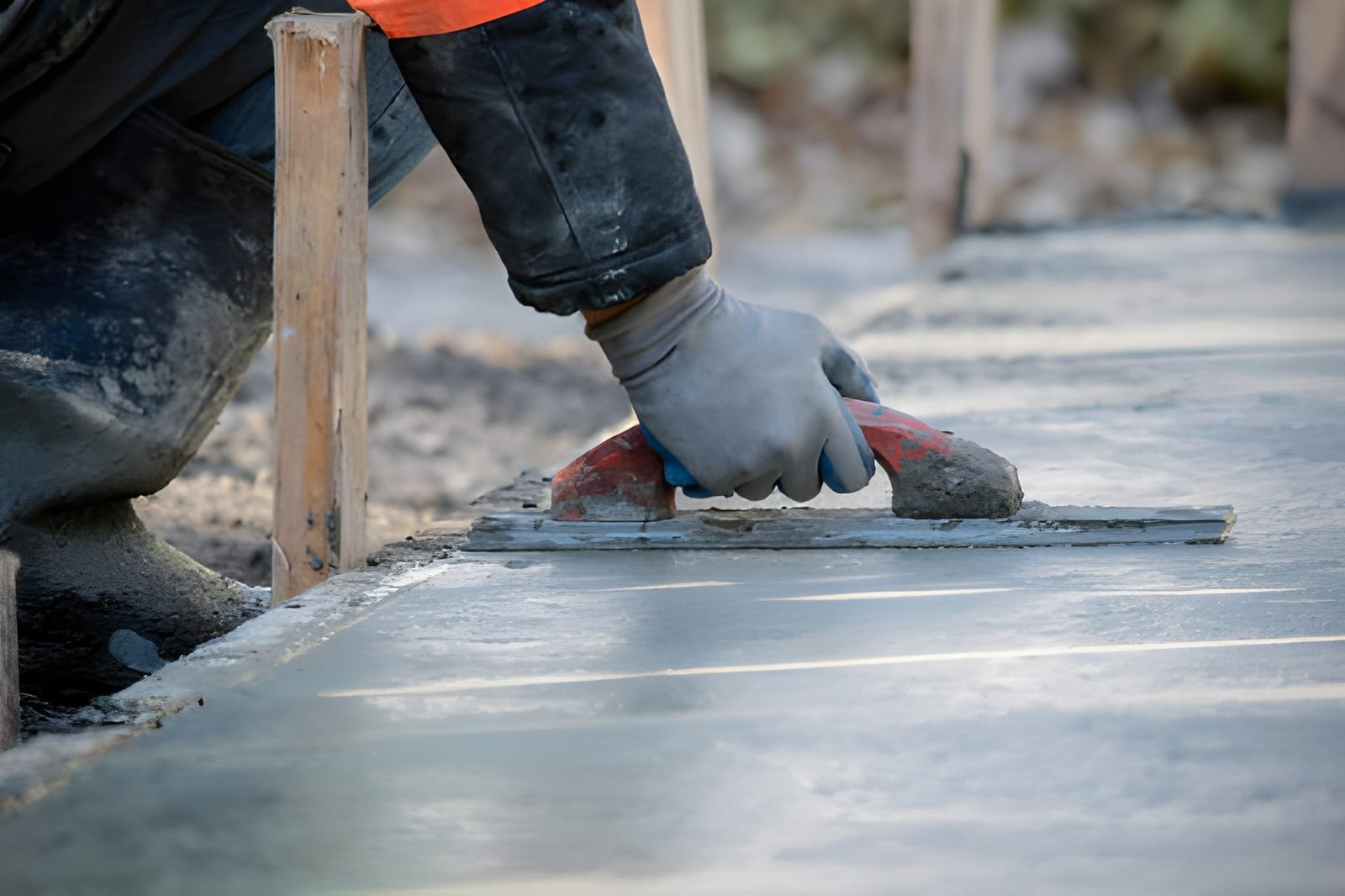
A concrete slab is a flat, uniform foundation. It sits on level ground and consists of cement, water, and aggregate (gravel, sand, or rock).
Concrete slabs offer benefits for domestic and industrial buildings:
Strong, rigid structures with large spans Fire and heat resistant Acoustic benefits Low maintenance Long lifespan
Choosing the right concrete floor slab affects your entire project. Here’s why.
They support your building. They connect with walls, beams, columns, and foundations. They provide a flat surface and help distribute loads across the structure.
Defective concrete slabs cause structural problems. Get this right from the start.
Your Building Has Specific Requirements
The concrete floor slab you choose influences the flooring material you lay on top. This applies to small home projects and large industrial builds.
Consider your building’s condition and requirements before selecting a slab type.
Design, Architecture, and Span Length
Your concrete floor slab needs to look good, perform well, and deliver attractive features.
Match the slab to your building type, architectural style, aesthetic requirements, and span length.
Cost and Material Efficiency
Every building project requires appropriate, cost effective materials. You want to save time and money now and long term.
Spend time selecting the best concrete floor slab for your needs.
Concrete floor slabs remain popular due to their strength and minimal maintenance requirements.
Let’s examine the main types of concrete floor slabs we use at Quick Concrete Pumping.
The flat slab is what most people picture when they think of concrete floor slabs.
A flat slab is reinforced concrete supported directly on columns or caps. No beams. That’s why it’s called a beamless slab.
Flat concrete floor slabs are safer than traditional beam slabs during fires. They’re versatile, provide variable depths, and you build them quickly.
Flat slabs suit most flooring types and irregular column layouts. They work for residential and commercial applications.
This type offers flexibility in design and speeds up construction time compared to traditional beam and slab systems.
Waffle slabs work as floor and ceiling concrete slabs. They’re also called grid slabs.
These slabs reinforce concrete with square grids and deep sides. They’re lighter than flat slabs. They carry bigger loads over longer distances.
Use waffle slabs when you have restrictions on beam depth. You achieve clear height with them.
They’re perfect for shopping centre entrances, hotels, and restaurants. They look appealing and provide excellent locations for artificial lighting installation.
The grid pattern creates visual interest while maintaining structural integrity. The reduced weight means lower material costs and faster construction.
Hollow core slabs are your sustainable option.
These slabs use less material because they have voids (cores) running through the units. The cores act as service ducts. They reduce the slab’s self weight and maximise structural efficiency.
Reinforced with diameter steel strands running longitudinally, these slabs gain strength. You don’t need to drill them for electrical and plumbing units. Their thickness provides fire resistance and sound insulation.
Hollow core ribbed slabs are quick to build. They’re perfect for offices, retail spaces, and car park developments.
The pre stressed concrete construction means you get consistent quality and faster installation times. The hollow cores reduce material usage by up to 50% compared to solid slabs.
Sunken slabs (or sunk slabs) go below washrooms, bathrooms, and laundry areas. They hide sewerage pipes and other fixtures.
They let water pass through pipes under the slabs.
You need extra care when building sunken concrete floor slabs. Poor construction causes dampness or water leakages later.
Trained experts must consider maintenance and future requirements before constructing and installing sunken slabs.
Proper waterproofing is critical. Use quality materials and skilled contractors for these slabs. The initial investment in proper construction prevents costly repairs later.
Slab on grade (or slab on ground) is cast on the earth’s surface.
You use this type for basement floors or at plinth level in domestic and commercial buildings. Ground slabs sit on foundations or directly on subsoil for the ground floor.
Choose your slab based on the soil type it sits on. This is critical.
Three variations exist:
You need stiffening beams built from concrete around the slab’s perimeter. These work for steady, durable ground made of sand and rock. The soil shouldn’t be affected by moisture.
This is your most economical option for stable ground conditions. Construction is straightforward and requires less engineering complexity.
Similar to slab on ground but with stiffening beams built in channels through the slab’s middle. This creates a supportive concrete grid on the base.
Use stiffened raft slabs on soil that moves due to moisture. The stiffening beams prevent cracking and movement. This system distributes loads more evenly across reactive soils.
The additional reinforcement costs more upfront but prevents expensive foundation repairs later. Your building remains stable even when soil conditions change.
Built above ground by pouring concrete over a grid of polystyrene blocks (void forms).
These slabs suit sites with less reactive soil. They’re simpler to install and cheaper than other slab on grade types. Waffle raft slabs work best on very flat ground.
The polystyrene void formers reduce concrete volume and provide insulation. You get a lighter structure with better thermal performance. Installation is faster because the void formers stay in place.
A projected or cantilever concrete slab has one fixed side and one free side.
You see them in hotels, function halls, and universities. They’re common in loading areas, unloading areas, and drop off zones.
These slabs extend beyond their support structure. They create covered areas without columns below. The design requires careful engineering to handle the cantilever loads safely.
Use cantilever slabs to create architectural features or functional covered spaces. They add visual interest and practical benefits to your building.
Steel mesh reinforcement strengthens concrete floors with one or more layers of steel mesh. This creates a network of squares throughout the concrete.
Concrete thickness matters for this type.
Sites with heavy weight (dump trucks, for example) need steel mesh and 150mm thick concrete. An average home garage only needs 100mm thick concrete.
The steel mesh prevents cracking and distributes loads evenly. You get a longer lasting floor that handles stress better.
For industrial applications, you need proper specification. Underspecified floors crack and fail early. Spend time getting the reinforcement right.
Choosing Your Concrete Floor Slab
Concrete floor slabs aren’t simple. You don’t just pour concrete on the ground.
Each slab type serves specific purposes. Match the slab to your soil conditions, building type, load requirements, and budget.
Consider these factors:
Soil type and reactivity Expected loads and traffic Building use and design Budget and timeline Future maintenance requirements Environmental conditions
Get expert advice. Poor slab selection costs you later through repairs, reduced lifespan, or structural issues.
At Quick Concrete Pumping, we help you choose the right concrete floor slab for your project. We supply the concrete you need at the quality you expect.
Contact us for information about concrete floor slabs or concrete volumes for your project. Our experts will discuss your requirements in detail.
We deliver across the UK. Our mixed concrete uses quality materials. You get consistent results and reliable service.
Your foundation matters. Get it right with the correct concrete floor slab type for your build.
